Encourage Sibling Relationship
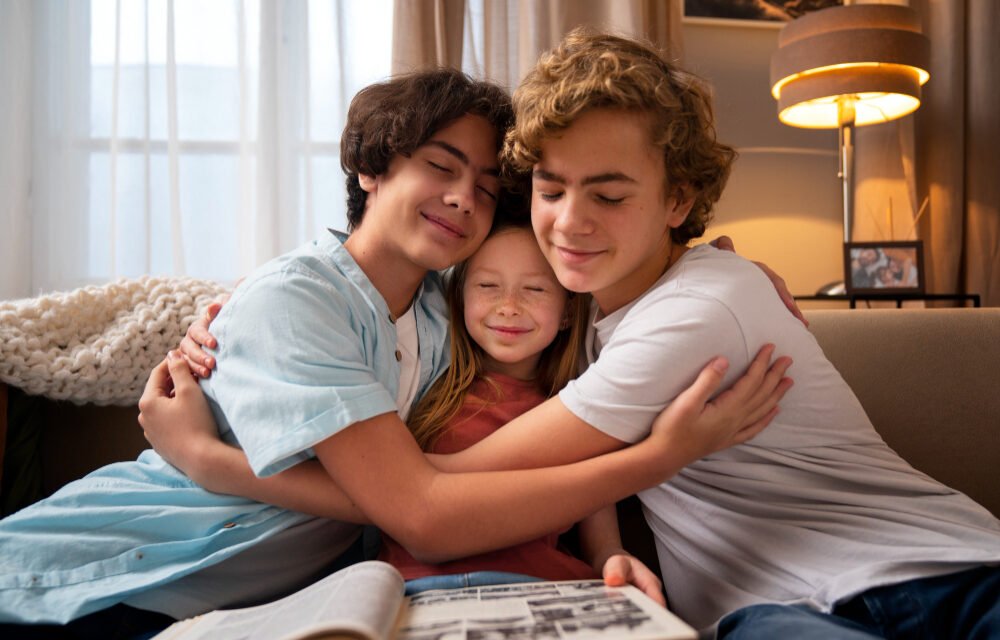
Sibling relationships are the combination of love, friction, and whole life friendship. While sometimes jealousy and conflicts are common, a powerful bond between siblings originate lifetime of support and companionship. Here are practical strategies to reduce sibling jealousy and encourage loving relationship in between sibling.
Avoid Biasness Comparison
One of the biggest triggers of sibling jealousy is feeling less valued than the other child.
- Praise each child’s strengths without comparisons.
- Avoid phrases like Look at your brother/sister, you should do something like them.
- Spend one-on-one quality time with each child.
Tip: Acknowledge their uniqueness by praising their attempts, not just achievements.
Motivate cooperation, Not Competition
Turning everything into a competition can increase dissatisfaction.
- Instead of who did it better, cheer for team efforts (e.g., cleaning up together, cook together, play together).
- applaud cooperative behaviour—I love how you helped your sister/ brother in room cleaning!
- Use we language—We’re a great team instead of Who’s the best?
Tip: Family projects (like cleaning, washing dishes, gardening, cooking) encourage collaboration over conflicts.
Teach Dispute Resolution Emotional Expression
Disagreements are natural, but teaching healthy and valid conflict resolution is key.
- Always teach kids to show their feelings calmly instead of screaming or hitting.
- Implement problem-solving behaviour model —Let’s talk about the problem and what is the neutral solution of this.
- Every person got a chance to speak during a disagreement.
Tip: Use role-playing to teach conflict resolution—act out different scenarios together.
Recognize Individual Achievements Equally
One child’s success shouldn’t conceal another’s feelings.
- Honour all small and big wins for each child.
- Ignore making one child feel miss out when celebrating the other’s win.
- Involve all kids in celebrations—Let’s all cheer for your brother’s achievement.
Tip: Help kids support each other’s milestones by letting them contribute to celebrations (e.g., making a card or baking a cake together).
Shape Special Bonding Ceremony
Stimulating effective interactions can strengthen their relationship.
- Sibling game night— let them pick an activity together.
- Reading time— encourage older siblings to read to younger ones.
- Silly traditions— create special greetings for siblings achievements, birthday or other occasions, handshakes, hugs, or secret jokes.
Tip: Let them share responsibilities (e.g., choosing a family movie, planning a picnic, plan for household activities).
Give Each Child a Voice Impartial Attention
Feeling perceived and valued can reduce feelings of neglect.
- Have one-on-one check-ins to let them express concerns.
- Give a chance to every child to choose activities to prevent biasness
- If anyone feeling miss out by any chance. Acknowledge their feelings—I understand you feel left out. Let’s talk about it.And involve each child in conversation.
Tip: Create a family meeting culture where everyone can share their thoughts, feelings and emotions.
Address Hate with Understanding
Instead of dismissing their jealousy, help them process it.
- Say I understand you feel upset. Let’s talk about why.
- Guide them toward positive coping skills (writing feelings down, deep
breathing). - Offer Hope —I love both of you in same way, but in your own special way.
Tip: Form a gratitude jar where siblings write kind things about each other can build appreciation.
Be a good example for kids: Model Healthy Sibling Relationships
Children learn how to interact by watching their parents.
- Show respect and kindness in your relationships (especially with your siblings).
- Apologize when needed—I made a mistake. I’m sorry.
- Demonstrate teamwork and compromise in family decisions.
Tip: Share stories of your own childhood sibling experiences to help them relate.
A strong sibling bond doesn’t happen overnight, but with calmness, cheeriness, and positive reinforcement, kids can grow into lifelong best friends.