Junk food: a sweet and spicy path to heart problems
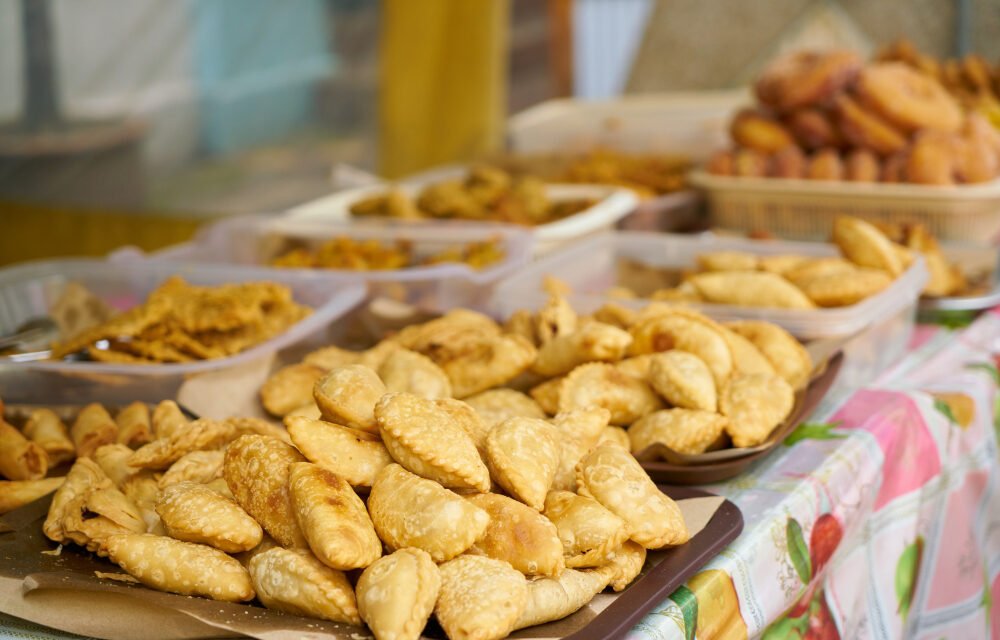
India’s food culture has a myriad of delectable treats. Not all of them are benevolent to our bodies, though. Among them, jalebi and samosa are notable—not for their flavor only—but for their perilous effect on our heart health. While people indulge in these mouth-watering delicacies every day, they tend to ignore the long-term effects. Unhealthy Indian snacks such as jalebi and samosa, while delicious, quietly harm the cardiovascular system. This blog examines how these favorite snacks hurt your heart, why moderation is important, and how you can make healthier choices.
Also Read: Tea consumption: One more cup may harm your health
Understanding the ingredients behind unhealthy snacks
Let’s start with the ingredients of jalebi and samosa. Jalebi, a sweet spiral-shaped fried in sugar syrup, is made by deep-frying refined flour and ghee or oil. Whereas samosa—a fried pastry in triangular shape—is normally filled with spiced potatoes and occasionally peas or meat. Both are full of trans fats, refined flour (maida), salt, and sugar—ingredients that are a real danger to heart health.
Additionally, the snacks are typically made with reused oil. This encourages the creation of unhealthy compounds such as acrylamide and trans fatty acids. Not surprisingly enough, eating such unhealthy Indian snacks on a frequent basis can pump up your cholesterol levels, raise blood pressure, and ultimately result in clogged arteries.
How unhealthy Indian snacks affect your heart directly
The largest problem with jalebi and samosa is their preparation method. Deep frying is not only piling on extra calories, it also produces oxidized fats that damage your blood vessel linings. Your heart then has to work more to circulate blood through partially clogged arteries.
Worse still, jalebi has high amounts of simple sugars. Such sugars are readily absorbed into the bloodstream, leading to spikes in blood glucose levels. Ongoing glucose spikes over time do harm to the blood vessels and predispose one to type 2 diabetes—a major risk factor for heart disease.
Similarly, samosas are typically filled with concealed salts and bad saturated fats. Increased sodium consumption leads to high blood pressure, which is among the top reasons for heart attacks and strokes. Hence, if you regularly consume these unhealthy Indian snacks, you might be positioning yourself toward severe heart issues.
Indian snacks rule festival and street food culture
Indian festivals, weddings, and just ordinary gatherings are simply not complete without some fried snacks and sweet treats. Jalebi somehow ends up on breakfast trays or party plates, while samosa is a favorite to have with tea. This is the reason why individuals end up eating these unhealthy Indian snacks due to habit more than hunger.
Furthermore, these are inexpensive and readily available, making them a favorite among millions. Street hawkers serve them hot and freshly fried, and they gain popularity from this aspect as well. For this reason, it is becoming increasingly difficult for people to regulate their consumption. The more you consume them, the more you feel like having them. Such a trend, over time, is a major cause of obesity and cardiovascular diseases.
Why homemade doesn’t always mean healthy
Most people believe that making jalebi or samosa at home makes them healthier. Although home food allows you to have better control over ingredients, the issue usually does not change—deep frying, the use of refined flour, and added sugars or salt.
Some families even reheat cooking oil several times to conserve resources without knowing the effects on health. When the oil is heated, it breaks down into toxic compounds, which the body cannot metabolize. So, even if prepared at home, these bad Indian snacks can still seriously impact your heart.
Alternatives to unhealthy Indian snacks you can try
Fortunately, you don’t have to forgo snacking entirely. There are a number of healthier alternatives that you can snack on without sacrificing taste. For instance:
- Baked samosas: These reduce oil content without losing flavor.
- Sweets made from jaggery: opt for sweets made with jaggery or dates as sugar substitutes.
- Roasted chana or fox nuts (makhana): Rich in protein and fiber, they’re satiating and heart friendly.
- Steamed snacks such as dhokla or idli: They contain less fat and are simple to digest.
Switching to these food items not only makes your heart healthier but also maintains your energy level stable. You will realize that once you overcome the habit of consuming unhealthy Indian snacks, your body begins to crave for lighter and healthy foods.
If quitting jalebi or samosa altogether sounds like mission impossible, the solution lies in moderation. You may continue to indulge in your favorite food every now and then, but you need to become aware of portion control and frequency. For example, instead of having two or three samosas, have one small portion—and not with sugary drinks.
Likewise, select days where you give yourself treats and pair them with healthier meals for the remainder of the day. Staying hydrated by drinking water, including a high amount of fiber, and going for a walk after a greasy snack can help cancel out some of the ill effects. Being mindful and conscious reduces the ill effect that such unhealthy Indian snacks have on your heart.
Reading nutrition labels: the first step toward change
Though jalebi and samosa sold by street vendors often lack nutritional labels, packaged versions now come with complete ingredient lists and calorie counts. It’s essential to read and understand these labels. Watch out for ingredients like hydrogenated fats, palm oil, added sugars, and preservatives.
Indeed, “namkeen,” “mix,” or “snack combo” branded processed snacks could seem innocuous but mostly belong to the unhealthy Indian snacks category. Identifying these warning signs enables you to make wiser decisions and safeguard your cardiovascular well-being.
Long-term risks of eating unhealthy Indian snacks regularly
While indulgence in excess is okay, frequent eating of fried and sugary foods greatly escalates the risk of chronic diseases. You may develop:
- High cholesterol
- Hypertension
- Type 2 diabetes
- Atherosclerosis (artery narrowing)
- Stroke
- Coronary artery disease
These ailments are usually silent in their early stages. Symptoms become evident when extensive damage has occurred. Thus, reducing consumption of unhealthy Indian snacks is one of the best preventive measures you can take.
Educating the youth about the dangers of unhealthy Indian snacks
One must educate children and adolescents about the effects of unhealthy foods. They won’t pick up an apple but will eat a quick samosa or a bag of chips. Habits become ingrained in the long run. Parents and schools need to join hands to give healthy options and educate young minds.
If we do not shift this trend now, the upcoming generations will have to bear the brunt of cardiovascular diseases much earlier in life. Restricting unhealthy Indian snacks during school functions and initiating awareness programs can go a long way.
In conclusion: make better choices, one step at a time
In conclusion, jalebi and samosa can be cultural delights, but they take a heavy price in terms of heart health. With their high fat, sugar, and salt content, they are highly detrimental when eaten regularly. As irresistible as they might be, it’s time to reassess our snacking habits. Replace, reduce, and reform—these must be the rules to follow.
Leaving unhealthy Indian snacks doesn’t have to mean giving up taste or heritage.
Also Read: Fast Weight Loss: This Superfood Controls Hunger