Curd in Monsoon: Should You Eat It or Avoid It?
Monsoon relieves one from the hot summer heat, but at the cost of humidity, digestive problems, and seasonal infections. Along with these changes, one very common food problem that most people suffer from is: Is it healthy to have curd in monsoon? Some advocate that it is healthy and cooling, while others advise against it. In this blog, let’s see the truth and assist you to decide if curd in monsoon is your friend or enemy.
Also Read: Fast Weight Loss: This Superfood Controls Hunger
Curd: A Nutritional Powerhouse
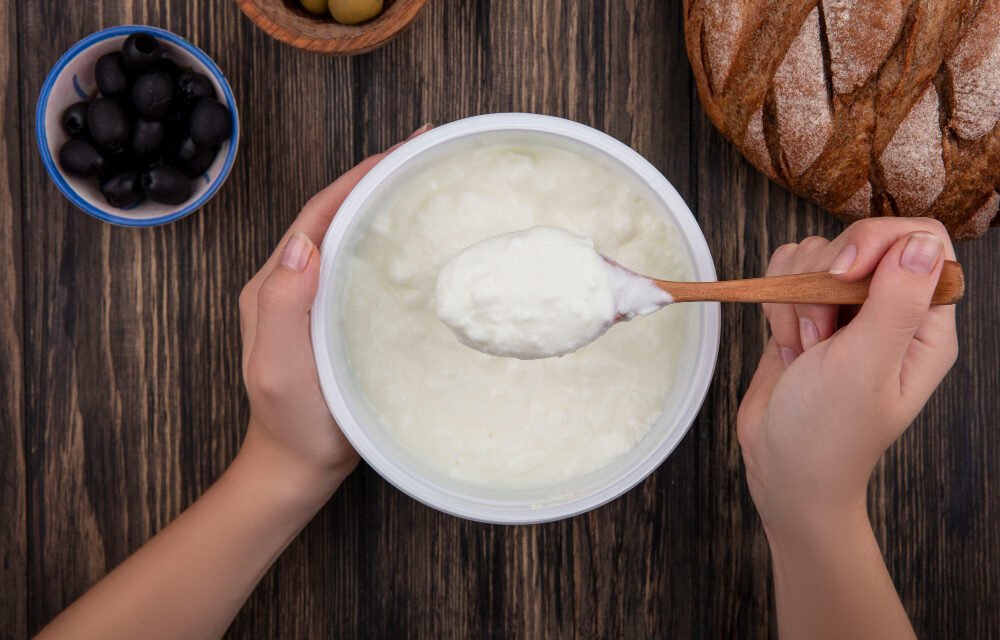
Above all, curd is packed with probiotics, calcium, and protein. It enhances digestion, helps in maintaining gut health, and enhances immunity. Of course, these features invite us to add it to our day-to-day diet. But monsoon changes the metabolism level of our body and elevates the possibilities of bacterial infections. So we must evaluate the curd in monsoon scenario more diligently.
While on one side, curd promotes digestion and lowers body temperature, on the other side, overcooling and potential contamination by humidity could cause cold or indigestion. That is why moderation and wise usage are a must.
Advantages of Consuming Curd During Monsoon – With Caution
Unless you take the proper precautions, you can, in fact, consume curd during monsoon—contrary to popular beliefs. Here are some tips on how to reap its benefits without posing any health hazards to your body:
- Consume it during the daytime and not at night. This prevents respiratory problems.
- Have it at room temperature, not cold out of the refrigerator.
- Mix a pinch of ginger or black pepper to neutralize the cooling effect.
- Keep it fresh and do not store it for a long time.
- Do not use sweetened or flavored curd, which ferments rapidly in humid weather.
- Obviously, with the right mindset, curd can still be a part of your diet during monsoon.
When to Avoid Curd in Monsoon?
- Although curd is healthy, there are some individuals who need to reduce or avoid it in this season. For example:
- If you often get colds, coughs, or sinus infections, then skip curd.
- Individuals with weak digestion or those who are lactose intolerant may experience bloating or discomfort.
- Individuals suffering from allergies should also approach a physician before adding curd, when bacteria grow more rapidly.
Curd in Monsoon: Conclusion
Summing up, monsoon curd isn’t completely out of bounds either. Actually, if you consume it intelligently, it can improve your gut health and immunity too. Just, be cautious—consume fresh, do not at night, and always keep the body type and diseases in mind. Don’t stop consuming curd altogether, change the manner and time when you consume it.
So, the next time someone advises you against curd during rainy days, recall—it’s not about curd completely. It’s about having it in the right way.
Also Read: Stomach Cancer Risk Linked to Blood Type — Are You at Risk?