You have heard a lot about “Cholesterol” and know it’s not a “friend.” Although Cholesterol is important in your body, high levels of certain cholesterol types can increase your risk of heart disease. That is why we control cholesterol: we need to know which foods can naturally lower it, as science shows they can improve our health and overall well-being. This is what you’re here for: learning about foods for lowering Cholesterol.
Understanding Cholesterol and Its Impact on Health
But before I jump into which foods help and hurt, you need to know what cholesterol really is and why you should even care about it. Cholesterol is a waxy, fat-like substance found in every cell in your body, and it is used to produce hormones, vitamin D, and substances that help digest food. But of course, there are two kinds of cholesterol:
- LDL cholesterol- the so-called “bad” cholesterol. When your LDL level is too high, plaque can begin to form on the inside of your artery walls. Over time, that plaque hardens and causes the arteries to narrow or close off.
- This narrows a blood vessel or chamber of the heart and can lead to blockages and put a person at risk of experiencing a heart attack or stroke.HDL cholesterol (High-Density Lipoprotein): Known as “good” cholesterol, it helps remove LDL cholesterol from the bloodstream.
Elevated LDL cholesterol is a leading cause of heart disease. However, the following foods may help lower cholesterol levels naturally.
Also Read: High Blood Pressure Symptoms: Five Early Signs to Watch
The Power of Foods to Lower Cholesterol
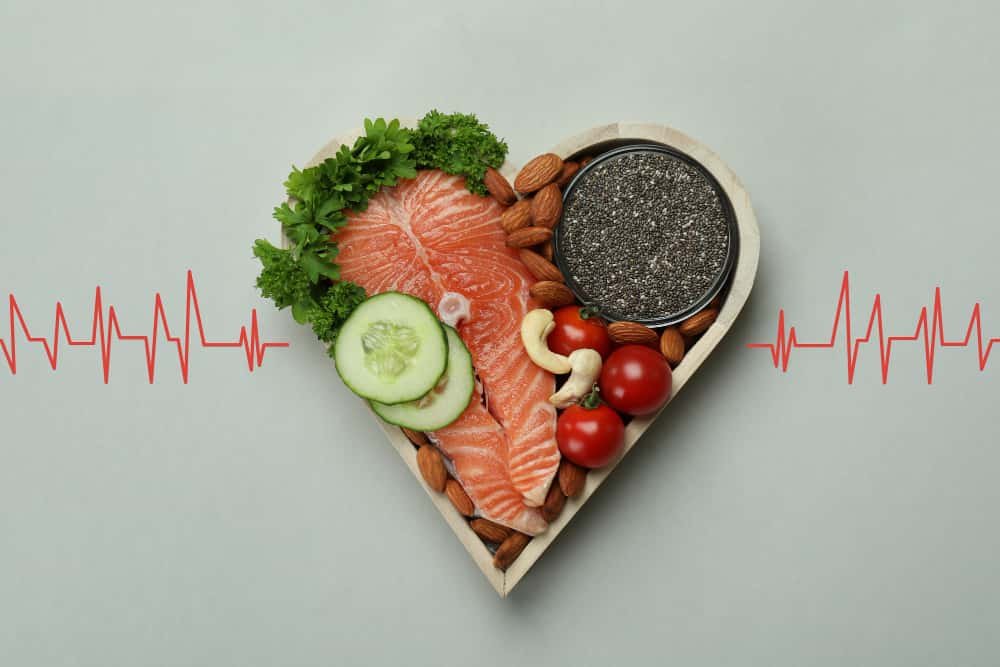
A variety of heart-healthy foods can support a cholesterol-friendly diet.
Choosing the right foods to lower cholesterol can make a world of difference for your heart health. A cholesterol-friendly diet is rich in nutrients, fiber, and healthy fats. Let’s explore some of the top options.
Oats and Whole Grains
When it comes to oats for cholesterol, countless scientific studies confirm just how beneficial they are. Oats are packed with soluble fiber that binds to cholesterol within the digestive tract and helps eliminate it from the body. Start your day with a bowl of oatmeal or incorporate oat-based snacks into your routine.
You can also consume other whole grains: barley, brown rice, quinoa, and many other grains. You can also consume other rich whole-grain sources, which are excellent high-fiber foods for cholesterol—Fiber content leads to lessened absorption of cholesterol into your bloodstream.
Legumes and Beans
Beans, lentils, and chickpeas are budget-friendly foods that can help lower LDL cholesterol. Because these foods contain fiber that readily goes into solution and is barely soluble, food lovers eat it very regularly, as they go for readily dissolvable fibers in particular, as it easily and speedily removes from your diet system—a heart-smart diet. Enjoy them in soups, salads, or as a side dish to boost your fiber intake.
Nuts and Seeds
Nuts and cholesterol have a positive relationship—if your daily coffee consumption goes above a certain limit and becomes a habit, it is advisable to mix in such things as walnuts or almonds, perhaps pistachios, in your daily diet. They are rich in fiber and contain healthy fats that help lower LDL (bad) cholesterol, raise beneficial HDL (good) cholesterol, and support a healthy body mass index—heart-healthy food intake. Seeds like chia, flax, and sunflower are also beneficial.
And that’s something to keep in mind: while nuts are calorie-dense, as with many good things, a small handful daily will absolutely set you on a better track for healthy eating and heart health.
Fatty Fish
Salmon, mackerel, sardines, and trout are rich in omega-3 fatty acids. These healthy fats can decrease triglycerides and LDL cholesterol; in this group, increased by about two-thirds, and HDL cholesterol, the cholesterol we want in abundance, also went up – resulting in more of an “ideal” cholesterol profile-a more “balanced profile,” if youwill-with higher HDL relative to the bad kind. Try to include fatty fish twice a week to reap the greatest health rewards.
- Fruits and Vegetables
Fruits like apples, pears, berries, and citrus fruits are high in soluble fiber and cholesterol-lowering compounds. Other foods that would reduce your numbers are: carrots, okra, and eggplants. Colorful produce is essential for any cholesterol-friendly diet.
Plant Sterols and Stanols
Many fortified foods now contain plant sterols and stanols. These naturally occurring substances can inhibit the amount of cholesterol that is absorbed into the body. These substances may be present in fortified spreads, orange juice, and some yogurt. Consuming such items can help lower LDL cholesterol.
Avocados
Avocados have a nice flavor, are rich in monounsaturated fats, and have a high fiber content. These heart-healthy foods can help lower LDL cholesterol without affecting HDL cholesterol. They can be in sandwiches or salads. Avocado can be creamy, green guacamole!
Soy Products
Foods like tofu, tempeh, and soy milk can help lower cholesterol. They also contain isoflavones, which have been studied for their potential to reduce LDL cholesterol when used as an animal protein substitute.
Also Read: Daily Habits That Increase Your Risk Of Heart Disease
The Role of Soluble Fiber and Cholesterol
Soluble fiber and cholesterol are closely linked—soluble fiber creates a gel in your gut that binds cholesterol and prevents it from being absorbed. The best sources include:
- Oats
- Barley
- Beans
- Apples
- Citrus fruits
- Carrots
Eat different soluble fibers. Per day: Try for 5-10 grams of soluble fiber a day in your diet.
Follow us on our Facebook Page for more tips.
Healthy Fats: Friend, Not Foe
There’s a common misconception that all fats are bad for cholesterol. In reality, healthy fats like monounsaturated and polyunsaturated fats can actually improve your cholesterol levels. Sources include:
- Olive oil
- Avocados
- Nuts
- Fatty fish
Reduce fat intake, like saturated fats such as cheese and butter, and avoid trans fats commonly used to lengthen the shelf life of products. This further supports a cholesterol-friendly diet.
Also Read: Chest Burning Relief with These 6 Natural Remedies
Creating a Cholesterol-Friendly Diet
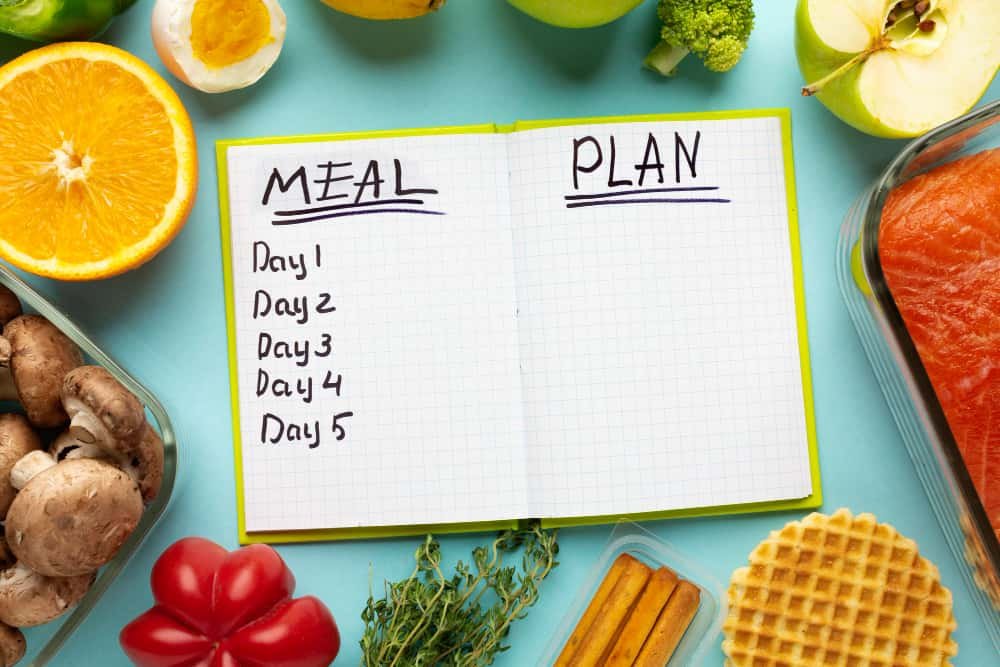
A balanced meal can combine fiber-rich foods, healthy fats, vegetables, and lean protein.
Building a cholesterol-friendly diet: More than Just Foods. The program goes beyond telling people to add certain foods; it’s about adjusting how you live, your mindset, and your beliefs about food. Healthy eating for heart health. Here are some practical tips:
- 1. Embrace Whole Foods: Choose unprocessed foods, such as vegetables and fruits, lean protein, and whole grains.
- Reducing unnecessary carbs that cause bloating can be beneficial for triglycerides, but they can reduce HDL cholesterol.
- Watch Portion Sizes: Excess consumption, even of healthy foods, can result in weight gain.
- Cook at Home: Preparing meals gives you control over ingredients and portion sizes.
- Stay Hydrated: 1. Drink plenty of water & cut down on sugary drinks to an absolute minimum.
Sample Meal Plan Featuring Foods to Lower Cholesterol
To make things practical, here’s a one-day meal plan packed with foods to lower cholesterol:
- Breakfast: Berries, sprinkled with flaxseeds, are topping my oatmeal today. (great for soluble fiber and cholesterol)
- Snack: A small handful of almonds (nuts and cholesterol)
- Lunch: Wholemeal crusty loaf, lentils, leek, and tomato with herbs.
- Snack: Thin slice of apple topped with one tablespoon of peanut butter
- Dinner: Grilled salmon served over fluffy quinoa, tossed with a delicious vinaigrette dressing and served with a side dish of fresh steamed broccoli.
- Dessert: Orange slices or a soy yogurt with plant sterols
Also Read: Cholesterol Myths Explained: 8 Lies Hurting Your Heart
Lifestyle Tips to Complement a Cholesterol-Friendly Diet
While diet is key, it’s not the only factor in managing cholesterol. Combine your cholesterol-friendly diet with these heart-healthy habits:
- Exercise Regularly: Aim for about 150 minutes of energetic workouts each week.
- Maintain a Healthy Weight: Small improvements in weight loss can have a big impact on your cholesterol.
- Quit Smoking: Smoking lowers HDL and raises LDL cholesterol.
- Limit Alcohol: Excessive drinking can increase cholesterol and blood pressure.
Subscribe to our YouTube channel for helpful health and wellness videos.
Frequently Asked Questions
Q: How quickly can foods lower cholesterol?
A: You’ll actually be seeing cholesterol levels change in as little as two weeks after eating a cholesterol-friendly diet, but significant changes often take a few months. Consistency is key.
Q: Are supplements necessary for lowering cholesterol?
For most people, no, without drugs or with only a few lifestyle and dietary modifications. However, people can take plant sterols in supplemental form; discuss this with a health care professional before starting treatment.
Q: Can I eat eggs if I have high cholesterol?
A: Eggs also contain lots of cholesterol but not much saturated fat. More recent research indicates that eating eggs in moderation is unlikely to affect your cholesterol levels very much if you do not already have high levels. Pay more attention to your overall diet quality.
Also Read: Accurate Blood Pressure: 10 Tips for Reliable Readings
Conclusion: Embrace Healthy Eating for Heart Health
No need for major, overwhelming cholesterol changes- just the little, easy-to-handle kinds. By focusing on foods to lower cholesterol and embracing a cholesterol-friendly diet, you can naturally support your heart health and well-being. Incorporate plenty of high-fiber foods to help lower cholesterol, enjoy heart-healthy foods like fatty fish and nuts, and remember the power of soluble fiber and cholesterol-lowering foods. Your heart will thank you!