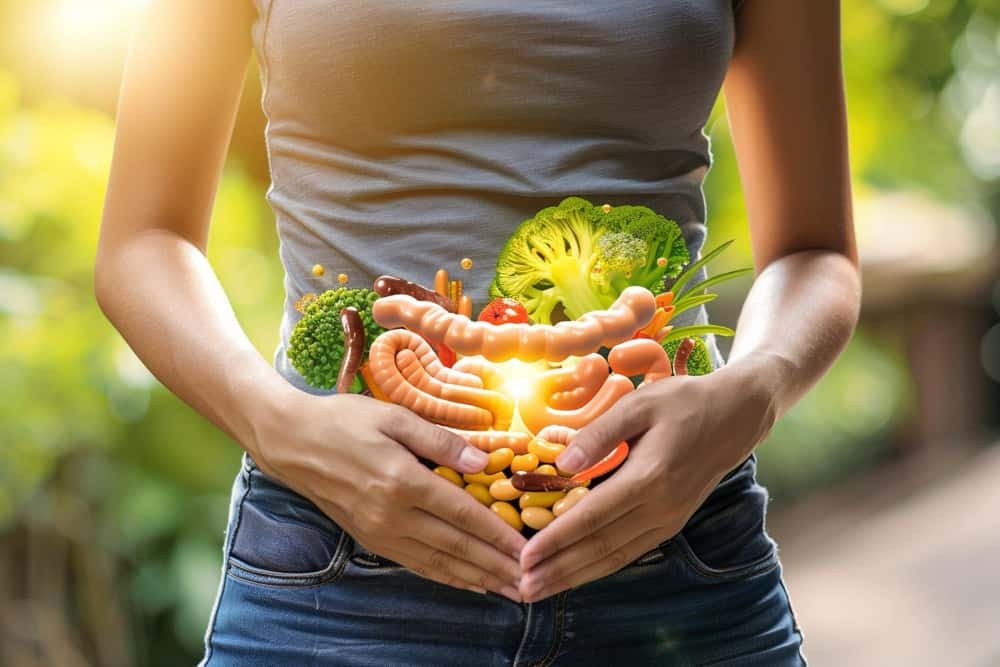
Maintaining optimal digestive health is increasingly recognized as essential for overall well-being. In each of us, billions of bacteria live in the human gut, a collective called the gut microbiota, and we need this microbial team to perform an abundance of functions, from breaking down food to supporting immunity and helping our minds feel good. As more attention turns to gut health, countless individuals are searching for the best gut health supplements to promote healthy digestion and nurture a healthy gut microbiota. In this comprehensive guide, we’ll explore the science behind these supplements, examine their potential benefits, and help you choose the right supplements for gut health.
Also Read: Indian Street Food: 8 Healthy Picks to Enjoy Guilt-Free
Understanding the Gut Microbiome
The gut microbiome refers to the entire colony of microorganisms – viruses, bacteria, fungi, etc.- that live in your digestive tract. Maintaining balance within this complex system has been linked to several things, including:
- Efficient digestion and nutrient absorption
- Supporting the immune system
- Protecting against harmful pathogens
- Modulating inflammation
- Influencing mood and cognitive function
Disruption of the gut microflora – a process called dysbiosis – may play a role in a variety of chronic health conditions, including digestion (such as Irritable Bowel Syndrome), allergies, autoimmune diseases, obesity, and mental health problems. Keeping your gut flora in tip-top condition has become vital for health and vitality.
Why Consider Gut Health Supplements?
Healthy lifestyle-wise, we already know there’s no substitute for a balanced, fiber-rich, and fermented & prebiotic-focused diet when it comes to gut health. But given that today we are exposed to constant pressures through stress, antibiotics, food choices, and of course, highly processed foods, the gut may not always get the balance of microorganisms it needs, which is exactly why gut supplements exist. These are products intended to help maintain the microbiome, restore it, and promote microbial equilibrium.
Common Types of Gut Health Supplements
- Probiotics – These are a good kind of bacterium that will fill your gut and also help increase the number of healthy microorganisms higher in number, by more than 31 percent.
- Prebiotics – These are undigested fibers that bacteria feed on, providing food for your good probiotics that do your system so much benefit.
- Synbiotics – These are actually the mix of both the above-mentioned supplements in the same recipe!
- Digestive enzymes – These help process meals, assist the breakdown of nutrients, and break down food more efficiently.
Also Read: Gastroenterologist Warns: 3 Snacking Habits Damage Gut health
The Best Gut Health Supplements to Support Digestion and a Healthy Microbiome
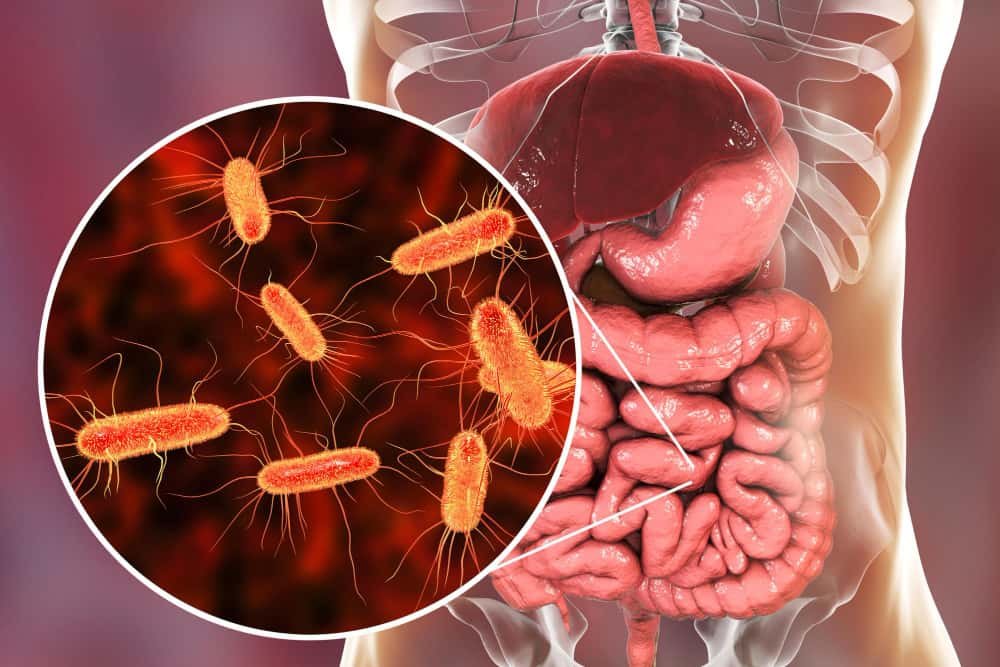
The gut microbiome contains a complex community of microorganisms that supports digestive health and overall well-being.
Let’s dive into the best gut health supplements available today, their functions, and what to look for when choosing a product.
- Probiotic supplements: Probiotics might be some of the most well-known gut supplements in the space, and this isn’t any surprise. Each dose delivers living, friendly bacteria – mostly strains of Lactobacillus and Bifidobacterium- into your system.
The top choices when it comes to finding the top brands and supplements of this product include finding it as a mixture of probiotic strains for a broad array of health outcomes (ranging from 5 to 50 million in each capsule), or one special for digestive help, stability at room temperature, or guaranteed protection as it goes through the stomach.
Why use one?
To replenish flora post-antibiotics, alleviate symptoms of IBS and diarrhea, maintain the immune system, or even help out with moods. Some strains have been more intensely studied: Lactobacillus rhamnosus GG may help with bouts of diarrhea or support immunity; Bifidobacterium lactis may promote regularity and relieve constipation; or S. Boulardii can help fight against Traveler’s diarrhea.
-
Prebiotic Supplements
Prebiotics: Prebiotics are fibers that your friendly gut bacteria eat.
They essentially feed the probiotics so they grow stronger and increase in numbers. Examples include inulin, fructooligosaccharides (FOS), or galactooligosaccharides (GOS).
Benefit: Supports growth of friendly bacteria. Helps protect the gut lining. Encourages regular bowel movements. Boosts your immune function. Did you know?
The best idea is to combine probiotics and prebiotics in one supplement – these are called synbiotics – as they work best together!
Also Read: Cholesterol Myths Explained: 8 Lies Hurting Your Heart
-
Digestive Enzyme Supplements
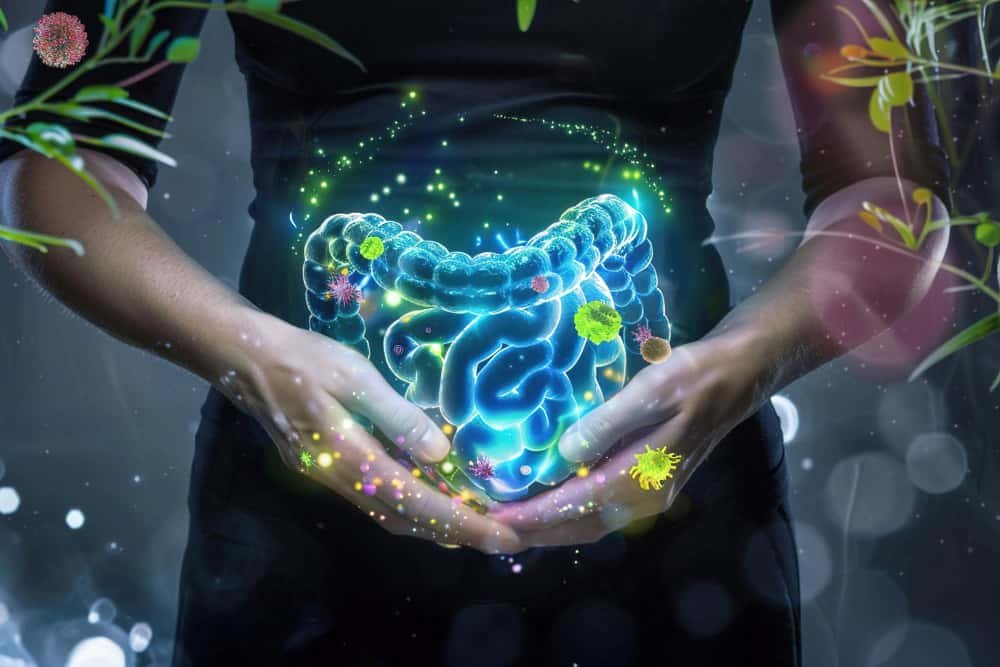
Digestive enzymes help break down proteins, carbohydrates, and fats during digestion.
Digestive enzymes help break down macronutrients –proteins, carbohydrates, and fats– into absorbable pieces and molecules. Your body naturally produces them. However, enzyme levels may decline in some medical conditions, during the aging process, or simply as part of your diet.
Key Enzymes:
- Enzyme that digests proteins (protease).
- Carbohydrate-digesting enzyme (amylase).
- Fat-digesting enzyme (lipase).
- Enzyme that digests lactose (lactase)
Benefits:
- Alleviate bloating, gas, and indigestion.
- Improve nutrient absorption
- Help individuals with food intolerance problems, e.g., lactose intolerance.
-
Synbiotic Supplements
Synbiotics – what’s their benefit in gut health? Synbiotics consist of both probiotics and prebiotics. This two-pronged approach can boost colonization, or at the very least create favorable impacts on gut microflora by giving healthy bacteria a food source.
Benefits:
- 1. Enhanced probiotic survival rate
- 2. Enhanced gut health
- 3. Integrated microbial ecosystem
-
Postbiotic Supplements
Postbiotics are byproducts of probiotic bacteria (such as short-chain fatty acids, peptides, and other metabolites) that confer health benefits even without live bacteria. Studies of postbiotics are new, but they show strong potential to support immune function and provide anti-inflammatory benefits.
Benefits:
– Contributes to maintaining a normal functioning gut barrier.
– Promotes an efficient immune system.
– Supports dampening gut inflammation.
Follow us on our Facebook Page for more tips.
Factors to Consider When Selecting Good Gut Health Products
There are so many gut health supplements out there that picking the best one can feel overwhelming. Here are things you need to consider.
-
Quality and Transparency
Select a brand that third-party tests its products
Ensure ingredients and strains/species are labeled clearly, and avoid proprietary blends with irrelevant fillers or additives
-
CFU count and diversity
More isn’t always better; however, variety of strains matters-some are better for specific symptoms (e.g., IBS, inflammation, immune system)
Ensure that you are meeting your health needs.
-
Survivability
Check to make sure the supplements aren’t killed by stomach acid before reaching the small intestine-a shelf-stable option makes them even better.
-
Allergy-Free Formula
Take into account whether you’re allergic to dairy, soy, or gluten before taking any dietary supplement.
-
Check with your Doctor
Especially if you already have health problems or a weaker immune system.
Lifestyle Tips to Support Gut Health (Beyond Supplements)

A fiber-rich diet, fermented foods, hydration, sleep, and stress management can support long-term gut health.
Supplements can be beneficial, but it is the fundamentals of life that provide the optimal long-term basis for your gut:
- Eating a fiber-rich and varied diet, including lots of fruits, veggies, beans, whole grains, and legumes
- Adding fermented foods to your day, such as yogurt, kefir, sauerkraut, kimchi, and miso
- Avoiding overly processed foods and foods containing too many added sugars.
- Managing stress using meditation, mindfulness exercises, or yoga
- Hydrating your body
- Getting an adequate amount of sleep
Also Read: Why You Feel Hungry All the Time: Common Causes and Healthy Solutions
Conclusion
While the landscape of gut health supplements is continually changing and incredibly broad, by familiarizing yourself with the different types available-probiotics, prebiotics, digestive enzymes, synbiotics, and postbiotics-you’ll be better equipped to select a quality product that can best help you maintain a healthy digestive system, as well as the vital gut microbiome that lives there. It’s important to remember that for a new supplement, as well as for anything that’s used in the context of a broader lifestyle, such as a diet balanced for gut health, stress management, and physical activity, quality should be king. Your physician should also be part of your health team if it’s your inclination, and you should listen to your body as you go.
Subscribe to our YouTube channel for helpful health and wellness videos.
Frequently Asked Questions (FAQs) About Gut Health Supplements
Q. Can I take multiple gut health supplements at once?
Yes, that’s possible, and it is often a great idea for some individuals, but a good approach is to take one at a time and see what impacts or sensitivities you experience.
Q. How long does it take to see results from gut health supplements?
Some people notice improvements (like reduced bloating) within days, while others may take several weeks. Consistency is key—most supplements work best when taken regularly over time.
Q. Are gut health supplements safe for everyone?
For the most part, these compounds are safe for healthy adults to consume. Anyone immunocompromised, seriously ill, pregnant, or on a prescribed regimen should consult a professional before introducing any supplement.
Q. Do I need to refrigerate my probiotic supplements?
Just Because You Take a Probiotic Supplement to Improve Health Doesn’t Mean Each one needs refrigeration. However, many supplements used as a natural therapy contain probiotics and may require refrigeration or special storage. To be sure, check the label to confirm it doesn’t require refrigeration.
Q. Can supplements replace a healthy diet for gut health?
Supplements can enhance, not replace, your diet full of fiber-rich and fermented foods. The best approach is to take them alongside a healthy, active lifestyle.
Also Read: How to Protect Your Family During a Measles Outbreak