A healthy gut microbiome is The Health of Your Body. Essential for our entire body, affecting just about everything, including the absorption of nutrients, the function of your immune system, and how you feel and interact with the world. recent years, interest in how to improve gut health naturally has soared as science uncovers the intricate connection between the gut and other bodily systems. This comprehensive guide explores actionable strategies, optimal foods for gut health, signs of poor gut health, and healthy daily habits. By the end, you’ll have a clear understanding of how to nurture your digestive system for optimal vitality.
Also Read: Best Gut Health Supplements That May Support Digestion and a Healthy Microbiome
Understanding the Gut Microbiome
The gut microbiome is the thousands of trillions – yes, trillions – of miniature creatures, like bacteria, viruses, fungi, and just anything that would want to take up residence in your digestive tract. These gut bacteria play A very important part in breaking down food, making vitamins, learning to use the immune system, and preventing diseases. Maintaining a diverse and balanced gut microbiome is key to robust digestive health.
Signs of Poor Gut Health
Recognizing the signs of poor gut health is the initial move toward making a positive difference. Red Flags consist of:
- Persistent bloating, gas, or abdominal discomfort
- Irregular bowel movements (constipation or diarrhea)
- Food sensitivities or intolerances; frequent heartburn or acid reflux
- Unexplained tiredness or lack of energy
- There could be skin issues like eczema or acne
- Increased susceptibility to infections
- Mood disturbances (anxiety, depression)
Itchy skin (eczema or acne). If any combination of these occurs, your gut may need special attention.
Follow us on our Facebook Page for more tips.
How to Improve Gut Health Naturally

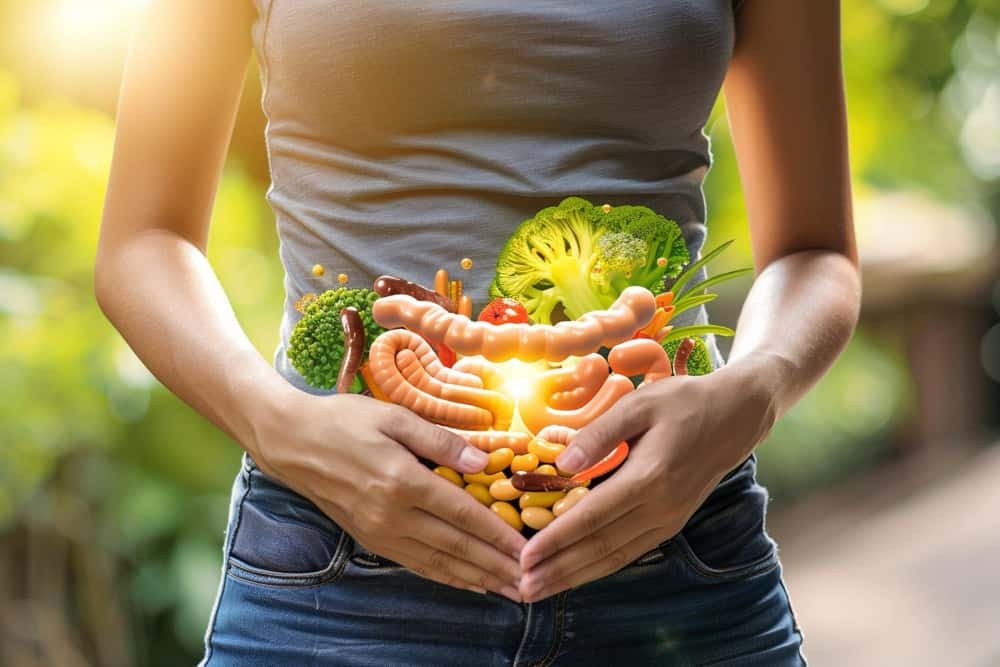
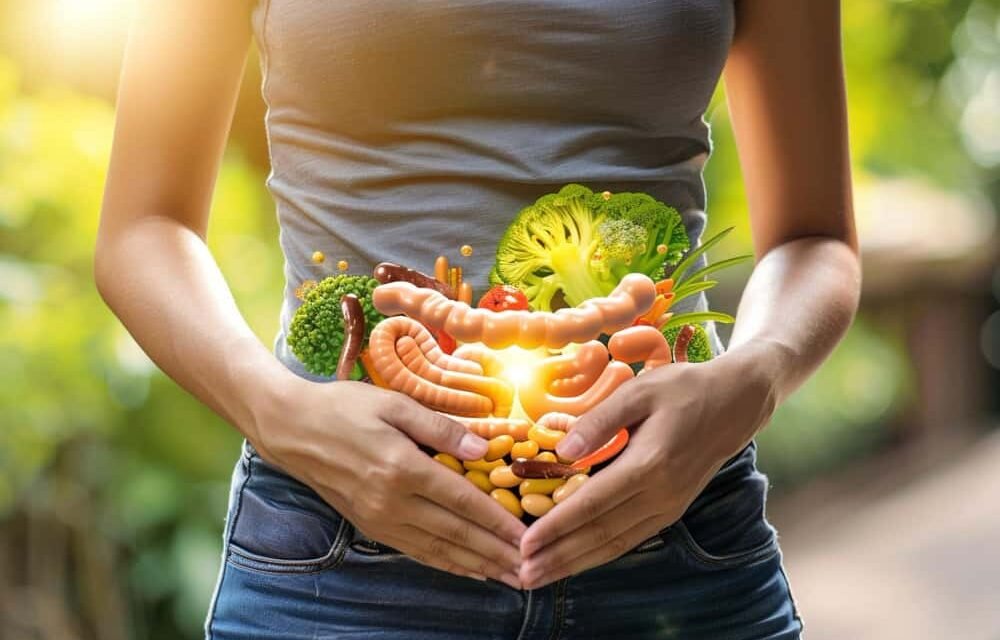
The gut microbiome contains trillions of microorganisms that play important roles in digestion and overall health.
Wondering how to improve gut health naturally? Here are evidence-based strategies to support your digestive health and foster a thriving gut microbiome:
1. Eat More High Fiber Foods
High-fiber foods serve as fuel for beneficial gut bacteria. High-fiber diets have been associated with higher species richness and improved gut barrier function. Foods good for high-fiber diets are:
- Brown Rice, oats, or Quinoa
- Legumes (beans, lentils, peas, chickpeas)
- Fruit (blackberries, raspberries, apples, bananas)
- Vegetables (broccoli, carrots, leafy greens)
- Nuts and seeds (chia, flaxseed, almonds)
2. Incorporate Probiotic Foods
Probiotic foods Which would add additional beneficial bacteria to your system, which will give it a boost to your gut microbiome. Daily use helps maintain this balance. gut bacteria. Top probiotic-rich foods are:
- Yogurt with live cultures
- Kefir
- Sauerkraut
- Kimchi
- Tempeh
- Miso
- Pickles (fermented in brine, not vinegar)
3. Include Prebiotic Foods
Prebiotic foods: Prebiotics are a type of fiber found in plants that feed bacteria in the gut. They supplement or potentiate the effectiveness of probiotics and a healthy gut microbiome. Examples include:
- Garlic
- Onions
- Leeks
- Asparagus
- Bananas (especially slightly green)
- Jerusalem artichokes
- Chicory root
4. Add Fermented Foods
Fermented foods: Prebiotics are a type of fiber found in plants that feed bacteria in the gut. They supplement or potentiate the effectiveness of probiotics and support gut health and digestion by increasing the population of good bacteria. Try adding these to your routine:
- Sauerkraut
- Kimchi
- Kombucha
- Fermented soy products (tempeh, miso)
- Traditional fermented pickles
5. Practice Healthy Gut Habits
Adopting healthy gut habits can have a significant impact on your digestive health. Consider these daily practices:
- Stay hydrated: Water aids digestion and keeps things moving smoothly.
- Eat mindfully: Chew thoroughly and eat slowly to support optimal digestion.
- Manage stress: Chronic stress impacts the gut microbiome negatively. Try meditation, yoga, or deep breathing.
- Get adequate sleep: Poor sleep disrupts the balance of gut bacteria.
- Avoid unnecessary antibiotics: Overuse can deplete beneficial bacteria.
- Exercise regularly: Physical activity promotes regular bowel movements and a healthy gut environment.
6. Limit Foods That Harm Gut Health
Some foods and habits can disrupt the gut microbiome and impair digestive health:
- Highly processed foods
- Excess refined sugars
- Artificial sweeteners
- Excess alcohol
- Frequent use of non-steroidal anti-inflammatory drugs (NSAIDs)
Minimizing these can help restore balance.
Also Read: Why You Feel Hungry All the Time: Common Causes and Healthy Solutions
Foods for Gut Health: What to Eat and Why
Choosing the right foods for gut health makes a profound difference in both short- and long-term digestive comfort. Here’s a closer look:
- Yogurt and Kefir: Packed with live cultures for a probiotic boost.
- Whole grains: Rich in fiber and resistant starch, feeding beneficial bacteria.
- Fruits and vegetables: Provide both prebiotics and essential micronutrients.
- Nuts and seeds: Offer healthy fats and fiber.
- Legumes: Excellent prebiotic sources.
- Fermented foods: Supply beneficial microbes and digestion-aiding enzymes.
The Connection Between Gut Health and Digestion

Small, consistent lifestyle changes can help you build healthier habits for digestion and gut health.
A healthy gut is synonymous with efficient digestion. When your gut microbiome is in harmony, you experience:
- Better nutrient absorption
- Fewer digestive disturbances (bloating, gas, heartburn)
- More regular bowel movements
- Enhanced immune function
Conversely, an unbalanced gut can lead to digestive discomfort and contribute to chronic conditions.
Lifestyle Factors Affecting Gut Health
Beyond diet, several lifestyle factors play a crucial role in how to improve gut health naturally. Stress management, regular exercise, sleep quality, and avoiding harmful habits all contribute to the balance and diversity of your gut microbiome. Chronic stress, for example, can alter the composition of gut bacteria and negatively impact digestive health. Practicing mindfulness, yoga, or meditation are excellent healthy gut habits that promote a resilient digestive system.
Getting enough sleep is essential because sleep deprivation can disrupt the gut microbiome and lead to signs of poor gut health such as fatigue and digestive discomfort. Regular physical activity encourages movement in the digestive tract, supporting gut health and digestion. Avoiding smoking, excessive alcohol, and unnecessary medications helps protect your gut bacteria and overall well-being.
In addition, environmental exposures, such as pollutants or toxins, may affect the gut. Making conscious choices—like drinking filtered water, consuming organic produce, and spending time outdoors—can further support your goal of how to improve gut health. Pair these lifestyle changes with a diet rich in probiotic foods, prebiotic foods, high fiber foods, and fermented foods for optimal results. By making these adjustments, you not only address the signs of poor gut health but also nurture long-term digestive health.
Also Read: Raw Food Diet Benefits and Risks: Is It Really Healthy?
Practical Meal Planning for Gut Health

Hydration, exercise, sleep, mindful eating, and stress management can all support healthy digestive habits.
One of the most effective ways to practice how to improve gut health naturally is through intentional meal planning. By thoughtfully incorporating a range of foods for gut health into your daily routine, you can nourish your gut microbiome and set yourself up for long-term digestive health. Here’s how to build a day of gut-friendly meals using probiotic foods, prebiotic foods, high fiber foods, and fermented foods.
Breakfast
Start your day with a bowl of oatmeal topped with sliced bananas (a great prebiotic food) and a handful of chia seeds (high fiber foods). Add a side of yogurt with live cultures (probiotic food) for an extra boost to your gut bacteria. This breakfast supports your gut microbiome and helps you practice healthy gut habits from the moment you wake up.
Lunch
For lunch, try a whole grain wrap filled with mixed greens, shredded carrots, and grilled tempeh (fermented food). Add some sauerkraut (fermented food) for tang and extra probiotics. Whole grains and vegetables add prebiotic foods and high fiber foods, nourishing your gut health and digestion.
Snack
Enjoy a snack of apple slices with almond butter. Apples are a source of prebiotics, and almonds provide fiber, both of which support digestive health.
Dinner
For dinner, a hearty lentil stew with garlic, onions, leeks, and spinach offers a powerful combination of prebiotic foods, high fiber foods, and plant-based nutrients. Serve it with a side of brown rice and a small bowl of kimchi (fermented food) for even more probiotic foods and a diverse gut microbiome.
Tips for Success
– Rotate your foods for gut health to encourage diversity in your gut bacteria.
– Focus on minimally processed, whole foods.
– Drink plenty of water to support your digestive health.
– Practice mindful eating- chewing slowly and appreciating your meals.
By following these meal planning tips, you can make how to improve gut health an integral part of your daily life, address signs of poor gut health, and sustain healthy gut habits.
Monitoring and Improving Gut Health
As you adopt new healthy gut habits and incorporate more foods for gut health, it’s important to monitor your progress. Keep a simple journal of your meals, energy levels, digestive symptoms, and mood. This will help you recognize positive changes- such as reduced bloating, regular bowel movements, better skin, and improved overall well-being- which are clear signs of successful gut health and digestion.
For a more in-depth approach, consider working with a healthcare professional who can help you identify specific signs of poor gut health and provide personalized guidance. Laboratory tests and stool analyses can offer insight into your gut microbiome and digestive health. By paying close attention to your body, you can fine-tune your dietary and lifestyle strategies for optimal results.
Remember, how to improve gut health naturally is a journey that involves consistent effort, mindful choices, and a willingness to adapt. Each step you take brings you closer to a healthier, happier gut- and a healthier, happier you.
Subscribe to our YouTube channel for helpful health and wellness videos.
FAQs: How to Improve Gut Health Naturally
1. What are the best foods for gut health?
The best foods for gut health include high-fiber fruits and vegetables, whole grains, legumes, fermented foods (like yogurt and kimchi), and prebiotic-rich items such as garlic and onions. Incorporating a variety ensures a diverse gut microbiome.
2. How do I know if I have poor gut health?
Common signs of poor gut health are bloating, irregular bowel movements, food intolerances, skin issues, and frequent fatigue. If you notice these symptoms regularly, consider evaluating your diet and lifestyle.
3. How quickly can I improve my gut health naturally?
Positive changes can occur within a few days to weeks of adopting healthy gut habits and improving your diet. Consistency is key—long-term benefits come with sustaining these lifestyle changes.
4. Are probiotic supplements necessary for digestive health?
While probiotic foods are often sufficient for most people, supplements can be helpful in certain circumstances, such as after antibiotic use. Always consult a healthcare professional before starting any supplement.
5. Can stress impact my gut microbiome?
Yes, chronic stress can negatively affect your gut microbiome and overall digestive health. Incorporating stress management techniques—like mindfulness and regular exercise- can help restore balance.
Also Read: How too much screen time affects your brain, sleep, and emotional health
Final Thoughts
Knowing how to improve gut health naturally empowers you to take control of your well-being. By prioritizing high fiber foods, embracing probiotic foods, and practicing healthy gut habits, you lay the foundation for a vibrant gut microbiome and optimal digestion. Listen to your body, nourish it with diverse foods, and make incremental changes for lasting digestive health.