While calcium-rich food often brings to mind milk and bones, there’s more to the story than bone strength, and calcium is responsible for numerous bodily functions that contribute to overall health. Numerous varieties of tofu are enriched with calcium, making it a great vegetarian or vegan source of this mineral; in fact, it is one of the top foods high in calcium. Try some in a stir-fry, salad, curry, or grain bowl!
Your body needs calcium daily. It supports muscle movement, nerve function, heart rhythm, and strong teeth and bones. Many people are unaware of calcium deficiency until symptoms develop.
Fortunately, supporting a bone health diet does not require a complex diet or costly supplements. Including more calcium-rich foods in your meals provides essential nutrients at every age. Whether you are building bone strength as a teenager, maintaining health as an adult, or reducing the risk of osteoporosis as an older adult, smart food choices today support long-term health.
Below is a list of calcium-rich foods and signs of calcium deficiency to help strengthen your bones.
Why Calcium Matters More Than You Think
- Bones are living tissue that continually rebuilds and repairs itself.
- Your body replaces old bone cells with new ones daily, requiring a consistent supply of calcium.
- If your diet lacks sufficient calcium, your body draws calcium from your bones.
- Initially, you may not notice symptoms. Over time, this process weakens bones and raises the risk of fractures.
- Over a lifetime of eating plenty of calcium-rich foods, you help keep your bones healthy at all ages as part of a balanced bone health diet.
Signs You May Have Calcium Deficiency
Early signs of calcium deficiency often go unnoticed because symptoms develop gradually. And of course, you know, if it’s really a deficiency, a doctor can detect it. But your body may show warning signs.
These may include:
- Muscle cramps or spasms
- Tingling in your fingers or toes
- Brittle nails
- Frequent fatigue
- Weak bones
- Tooth problems
- Dry skin
- Difficulty concentrating
These symptoms are not always caused by low calcium, but you should consult your healthcare provider if they persist.
Adding more calcium-rich foods to your diet could also help maintain healthy calcium levels as part of a balanced bone health diet, highlighting the broader role calcium plays in your body and helping to prevent calcium deficiency.
Calcium Does More Than Build Strong Bones
While calcium is often linked to bone health, it serves several other important functions. Your body relies on calcium for several essential functions, including bone health.
It Keeps Your Bones Strong
Nearly all (99 percent) of the calcium in your body is in the bones and teeth. Bones act as a reservoir for calcium.
When your body doesn’t get enough calcium from food, it takes calcium from your bones to keep other organs functioning properly. This underscores the importance of maintaining a bone-healthy diet throughout life.
It Supports Healthy Teeth
Your teeth rely on calcium just as your bones do. A diet rich in calcium helps maintain strong tooth enamel and supports overall oral health. Brushing and flossing are essential, but nutrition also plays a significant role in oral health.
It Helps Your Muscles Work Properly
Every time you walk, stretch, smile, or lift something, your muscles depend on calcium. Insufficient calcium can impair muscle contraction and relaxation. This is why low calcium intake may lead to muscle cramps.
It Supports Your Nervous System
Your nerves constantly send messages between your brain and the rest of your body. Calcium assists in transmitting these signals. This further shows the benefit calcium provides in your everyday life.
It Plays a Role in Heart Function
Your heart is a muscle, too. Calcium helps regulate the electrical signals that keep your heartbeat steady. Many nutrients support heart health, and calcium is an important part of that effort.
10 Calcium-Rich Foods That Can Add to Your Diet
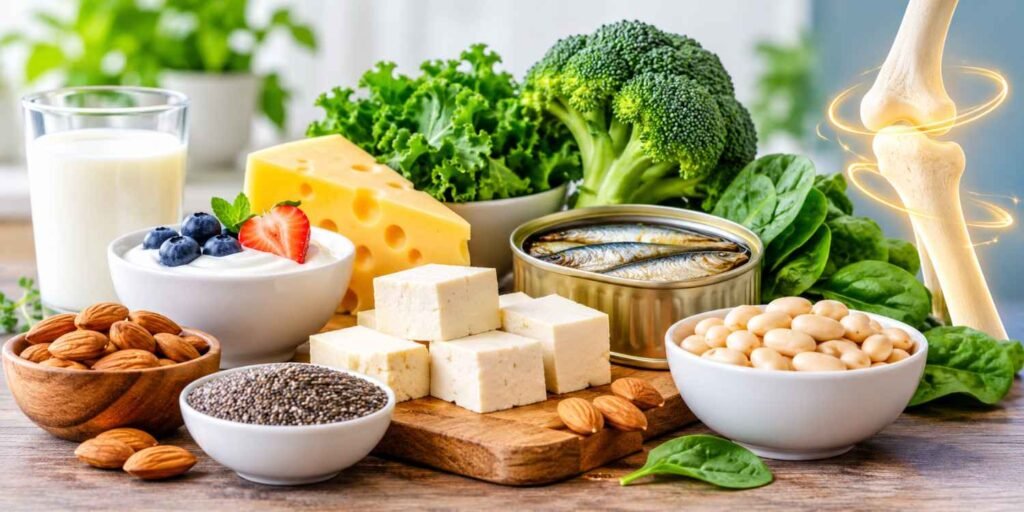
The most effective way to meet your calcium needs is by consuming a variety of whole foods high in calcium. Here are some of the best options to include.
1.Milk
Milk is one of the most recognized sources of calcium among foods. It is also inexpensive, widely available, and easy to enjoy on its own or in foods such as cake.
2.Yogurt
Yogurt is another excellent source of calcium. It also contains probiotics that support digestion and gut health. For extra flavor, add fresh fruit or nuts.
3.Cheese
Cheese is high in calcium and can be eaten on sandwiches, in salads, in soup, and more. However, consume it in moderation, as many cheeses are high in sodium and saturated fat.
4.Sardines
Sardines are among the most nutrient-dense, calcium-rich seafood options. Because their soft bones are edible, sardines provide significantly more calcium than most other fish. Canned salmon with bones is another excellent source of calcium. It also provides **vitamin D and calcium**, making it one of the few foods that naturally supply both nutrients.
Salmon is another food that naturally provides both nutrients. The pair works together to facilitate calcium absorption in your body.
5.Tofu
Tofu is an excellent option for those following vegetarian or plant-based diets.
6. Kale
With all sorts of vitamins in there and natural calcium to boot, it’s a solid option in any bone-healthy meal plan. Mix into salads, soups, or even add to smoothies and serve with garlic and olive oil as a side dish for any meal.
7. Broccoli
Also broccoli. The fact that broccoli doesn’t offer as much calcium as many dairy products isn’t a deal-breaker, especially when you consider the vitamin C, antioxidants, and fiber that broccoli brings to the table. We love roasting, steaming, or throwing broccoli into pasta dishes.
Getting enough calcium doesn’t have to be complicated: grab a broccoli. You can roast it, steam it, or throw it in a pasta dish, and, on top of calcium, you’ll also get the benefits of vitamin C, fiber, and antioxidants.
8. Almonds
Looking for a healthy snack?
Almonds are a healthy snack and among the best plant-based foods high in calcium. They also provide healthy fats, protein, and fiber. Small servings make a great appetizer and will keep you full while satisfying your hunger and fiber cravings. A handful of dried berries should tide you over. Supporting your bones.
Add almonds to oatmeal, yogurt, or homemade trail mix for added nutrition.
9. Chia Seeds
Chia seeds are small but provide more than just fiber.
Chia seeds are small but provide more than just fiber. They are also among the easiest calcium-rich foods to include in your diet. Sprinkle them over yogurt, blend them into smoothies, or stir them into overnight oats. Because they absorb liquid, chia seeds help create satisfying meals that keep you full longer.
White beans are an excellent source of calcium, fiber, and plant-based protein. They are affordable, filling, and versatile. Mix a can of white beans into salads, soups, casseroles, or pasta dishes for a quick nutritional boost. They are affordable, filling, and versatile. Mix a can of white beans into salads, soups, casseroles, or pasta dishes for a quick nutritional boost.
10. Fortified Plant-Based Milk
If you do not consume dairy milk, you can still meet your calcium needs. Many almond, oat, and soy milks are fortified with calcium and vitamin D. Check nutrition labels, as calcium content varies by brand.
Fortified plant-based milk is a convenient option for those following vegan or lactose-free diets. It can help provide calcium and vitamin D when dairy milk is not consumed.
Calcium is often emphasized for bone health, but it is not effective on its own. Vitamin D and calcium work as a team.
Your body is better able to absorb calcium thanks to vitamin D. Without sufficient vitamin D, calcium absorption is limited.
Calcium alone will not solve everything; therefore, getting sufficient vitamin D is also essential through sunlight, fortified foods, fat-rich seafood, and possibly supplementation based on a doctor’s advice. Together, calcium and vitamin D can help ensure strong bones.
Watch More. Learn More. Live Better! Explore Our Videos & Subscribe to Our YouTube Channel.
How to Build a Healthy Bone Health Diet
Supporting bone health is not about consuming a single “superfood.” It requires building balanced eating habits. A bone health diet includes calcium rich foods, protein, fruits, vegetables, and healthy fats. If it helps, aim for a calcium rich food in each meal.
- For breakfast, you can have yogurt with some berries. For lunch, you could enjoy a kale salad.
- For dinner, you can enjoy grilled salmon with steamed broccoli.
- For dinner, you can enjoy grilled salmon with steamed broccoli. For a snack, enjoy a few almonds during the afternoon. Small actions done consistently can make a difference over time.
Easy Ways to Eat More Calcium Every Day
Incorporating calcium into your meals can be simple. There are simple ways to incorporate calcium rich food into your meals: blend milk or fortified plant-based milk into a smoothie; sprinkle chia seeds onto yogurt or cereal; eat a handful of almonds instead of potato chips; add spinach or other greens to sandwiches and salads; mix beans into soup and stew; enjoy a cup of yogurt as an afternoon snack; and use cheese to add flavor and calcium to a meal.
Common Mistakes That Can Affect Bone Health
Even people who eat healthily may overlook important habits. Supplements may help some individuals but should not replace a balanced diet unless advised by a healthcare provider. You can obtain extra vitamins and minerals by consuming whole foods, in addition to supplements.
Forgetting About Vitamin D
Many individuals focus solely on calcium. However, without adequate vitamin D, your body cannot absorb calcium efficiently. Without enough vitamin D, your body won’t effectively utilize the calcium you intake.
Eating Too Few Fruits and Vegetables
Leafy greens, beans, nuts, and vegetables provide essential nutrients that support bone health.
These foods are packed with beneficial compounds for your bones.
Ignoring Physical Activity
Bone health relies on the combined effects of nutrition and exercise, which together contribute to a healthier overall exercise plan. Weight-bearing activities such as walking, strength training, or dancing help maintain bone strength with age.
Also Read: Viral Diet Plan Dangers: Hidden Risks of Online Trends
Final Thoughts
Build strong bones one day at a time with good habits and choices. You don’t have to change what you eat completely; it’s as easy as adding a few calcium-rich foods into your daily routine—no matter what age! You don’t have to stick to one food; a variety of calcium-rich foods, including leafy green vegetables, beans, nuts, seeds, dairy, or plant-based milk with added calcium, all count.
Calcium isn’t all that important alone, though. The calcium we consume, the effect it has on our bones, and its health benefits are all influenced by how we live—a proper diet, along with regular exercise and both vitamin D and calcium, will promote bone health. If you are experiencing problems, take these simple steps to improve your health and feel younger with the future in mind.
Frequently Asked Questions
1. What are the best calcium-rich foods to eat every day?
Milk, among the best calcium-rich foods, yogurt, cheese, kale, broccoli, tofu, almonds, chia seeds, white beans, sardines, and fortified plant-based milk. By eating a range of these different foods, we can support healthy bones.
2. What are the common signs of calcium deficiency?
Common signs of calcium deficiency may include muscle cramps, fatigue, brittle nails, tingling in the hands or feet, and weakened bones. If you think you’re not getting enough calcium, talk with a doctor for a proper assessment.
3. Why are vitamin D and calcium important together?
When vitamin D and calcium work as a pair, vitamin D helps strengthen your bones, and together they become essential for maintaining your bones and your body’s overall health.
4. Can I get enough calcium without dairy?
Yes, several calcium-rich foods non-dairy options provide the calcium you need, like calcium-fortified tofu, kale, broccoli, almonds, white beans, chia seeds, and plant-based fortified beverages.
5. What should a healthy bone health diet include?
In conclusion, a good bone-health diet can and should include these elements: calcium-rich foods, plenty of fruits and veggies, lean protein sources, whole grains, healthy fat sources, and adequate Vitamin D. Physical activity also plays a great role in supporting your healthy bones.