Gut Health and Diet Health Improve with High-Fiber Vegetables
High-Fiber Vegetables for a Healthy Gut
Fiber is, frankly, the unsung hero Improve Gut Health and Diet Health. It’s a carbohydrate, but different—your body can’t digest it. That limitation? Actually, its superpower. When you eat more fiber, you give your digestive system a boost. Bowel movements become more regular. Your gut bacteria—tiny helpers you rarely think about—get a steady supply of food. Disease risks start to shrink. Vegetables take the lead here. Eat a mix, and your gut gets stronger, one forkful at a time.
Also Read: Natural Ingredients Diet for Health: Control Blood Sugar with Sattu
The Benefits of Fiber to Improve Gut Health and Diet Health
The science behind fiber’s benefits is clear. Fiber bulks up your stool, making it easier to pass. No more constipation headaches. But it’s not just about the bathroom. Fiber acts as a prebiotic. It feeds the helpful bacteria—probiotics—in your gut. These organisms matter. They help your immune system work better, impact your mood, and even aid the way you absorb nutrients. Eating more fiber, then, means a healthier gut microbiome. There’s more: high-fiber diets are tied to a lower risk of heart disease, type 2 diabetes, and certain cancers. Real advantages. Simple actions, big impact.
Best High-Fiber Vegetables to Improve Gut Health and Diet Health
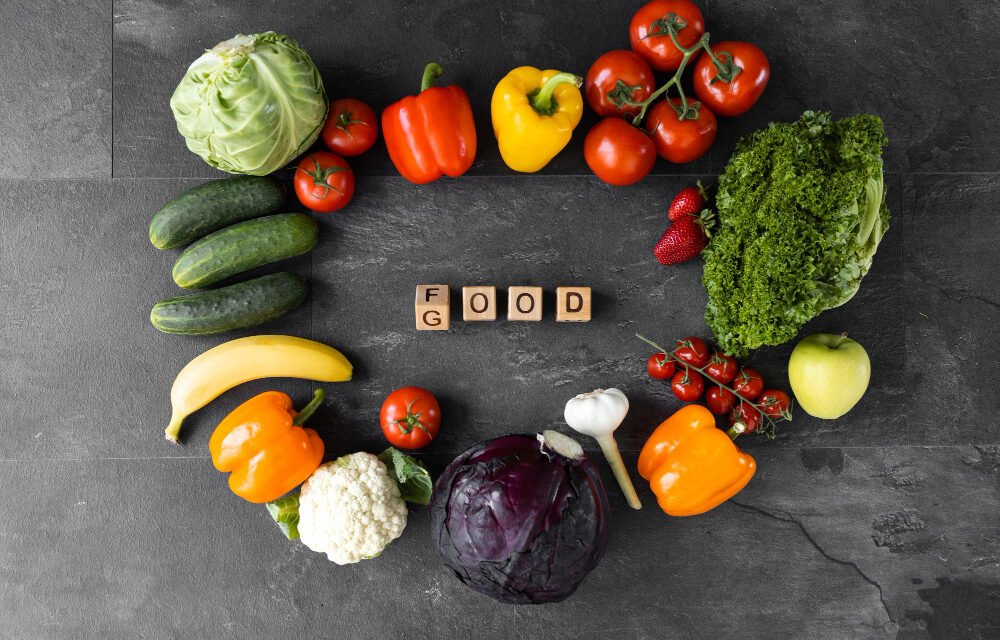
Certain vegetables rise above the rest for their fiber content and gut-friendly effects. Here are some you should know:
- Broccoli: More than just fiber. Broccoli offers vitamins, antioxidants, and sulforaphane—studied for its role in cancer prevention.
- Brussels Sprouts: High in fiber and full of nutrients. They add support for your body’s detox processes.
- Artichokes: Standout fiber numbers. Plus, inulin, a prebiotic helping beneficial bacteria thrive.
- Leafy Greens: Spinach, kale, collard greens—these bring fiber and nutrients, along with antioxidants that protect cells.
- Sweet Potatoes: Fiber plus vitamins A and C. Support for both gut and blood sugar levels.
- Carrots: Taste and function. Fiber combines with beta-carotene here, turning into vitamin A and offering key antioxidants.
- Peas: Packed with both fiber and protein. They leave you feeling fuller, longer. That’s nutrition working for you.
- Corn: This vegetable—and yes, it’s a vegetable—delivers a solid dose of fiber. Sometimes simple is best.
Tips for Incorporating Fiber-Rich Vegetables
Want to get the most from fiber-rich veggies? Here’s how:
- Gradually increase your intake: Going all-in on fiber, all at once, doesn’t do your gut any favors. Add these vegetables to your diet slowly, letting your body adjust step by step.
- Drink plenty of water: Fiber and water go hand in hand. Staying hydrated helps you avoid constipation.
- Eat a variety of vegetables: No single vegetable offers it all. Choosing different types ensures a mix of fiber and nutrients.
- Cook vegetables properly: Not all cooking methods are equal. Steaming, boiling, or a quick sauté helps keep the fiber intact.
- Add vegetables to every meal: Breakfast, lunch, dinner. Make it a habit. Eating vegetables at each meal keeps your fiber intake consistent throughout the day.
Conclusion
Adding fiber-rich vegetables to your meals is straightforward. It boosts gut health, keeps things moving, and lowers disease risk. Stick with a variety, follow these practical tips, and let your gut microbiome do its job.
Also Read: Radish Benefits: A Crunchy Root for Better Health